Evil Does Not Exist
Ryusuke Hamaguchi's elliptical and haunting ecological fable

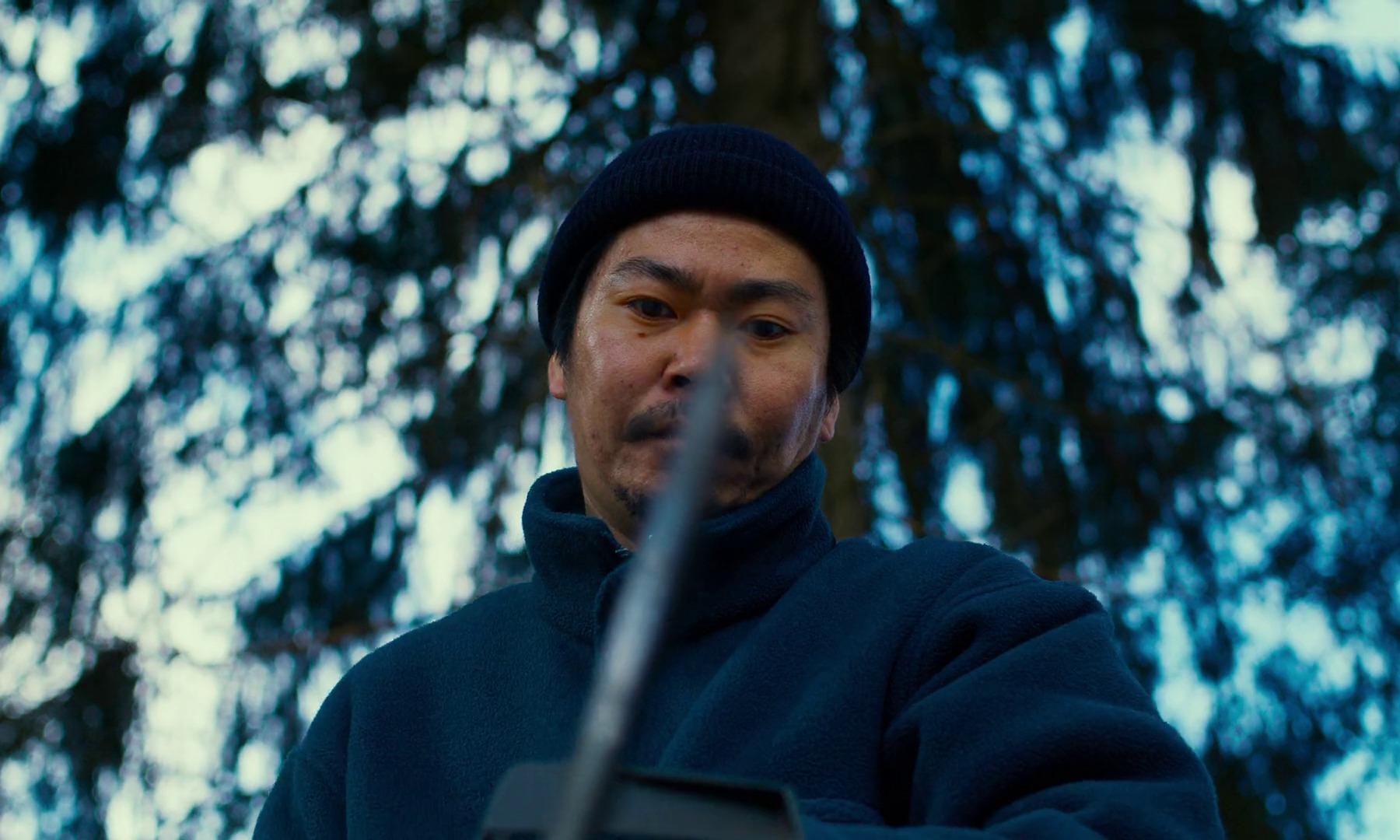
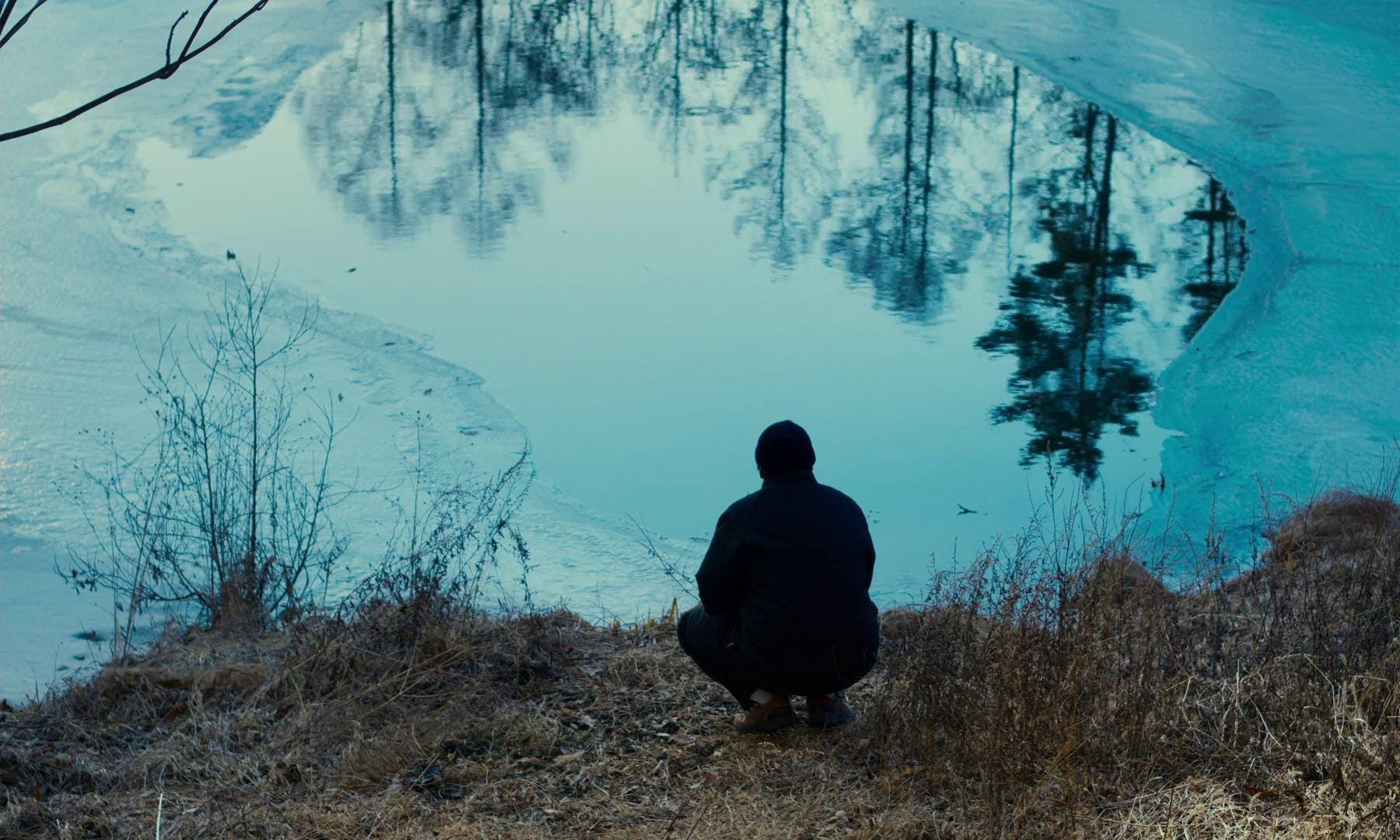
Ryusuke Hamaguchi’s latest film is a bit of a departure from his previous films, in terms of setting and scope. I think of Hamaguchi’s work as being centered on dramatizations in big cities, disillusioned characters given literary reverence — ex. Asako I and II, Wheel of Fortune and Fantasy or his most successful work, Drive My Car. Evil Does Not Exist is a film where nature is at the forefront and any human characters entering the picture feel alien and out of place. The film starts simple enough, with a single father (Takumi) and his daughter (Hana) admiring nature and identifying trees in a small rural town; there is a three-minute opener with an upward shot of the forest as seen through Hana’s curious eyes. Evil Does Not Exist was initially meant to be a 30-minute short film accompanying Eiko Ishibashi’s devastatingly beautiful score (for a live concert), so in the film’s final form Ishibashi’s music has a great deal of importance as it sets the film’s tonal shifts with its sweeping strings along with Hamaguchi’s abrupt cuts that unsettle. The build-up is slow in the first thirty minutes as Hamaguchi familiarizes the audience with the town and the elements that will be at play in the back half of the film, some of which one would consider inconsequential on first viewing: deer teeth marks on a striped maple tree, a gunshot, from hunting deer, heard from a distance, the carcass of a fawn, the townsfolk patiently and routinely filling their jerrycans with fresh water from a spring. The dialogue is sparse, and the camera does most of the talking early on, and it plays visual tricks on the audience as seen in the first tracking shot of the film where Tukami forgets to pick up his daughter from school and looks for her in the forest; he is concealed by some logs and comes out the other end with his daughter on his shoulders. It reminded me of Hitchock’s Vertigo where Kim Novak is out of sight behind a tree in one scene and James Stewart for a second believes she is a ghost. The passage of time is never certain in this quaint town and Hamaguchi plays with that throughout the film.
The centerpiece of the film is a community meeting where two representatives from a resort/ entertainment company give a presentation about a new glamping site (glamorous + camping) that is to be built on their serene town, upstream from where this tight-knit community gets their water from. The corporate pawns quickly realize that they are ill-prepared as they are met with intelligent questions about this business plan, a rushed project that simply targeted pandemic subsidies. This community meeting section is a remarkable twenty-minute scene that flows so naturally and feels like a documentary; it is reminiscent of Mati Diop’s Dahomey from this year, where locals are debating repatriation. The glamping project is all statistics as the reps explain that the septic tanks will be placed in the area where they would cause the least pollution, but the townsfolk argue that it is a certainty that this project would compromise their water source. One restaurant owner who recently moved into this town from Tokyo emphasizes how this water source is the basis for their lives here; she makes her famous udon dishes using the same water, and how significantly different it is from the city’s water. The meeting gets more heated as one older lady points out that this resort would be left unsupervised after midnight, exposing the site to fire hazards. The two reps (Takahashi and Mayuzumi) keep promising to address these issues to their boss, but some of the townsfolk know that the reps have been sent to have a perfunctory meeting to appease the government and claim that they have held dialogue with the locals as part of a formality. Takumi, who is a man of few words, enlightens the guests by explaining that the locals too were once settlers and have compromised the land, and that this town is a land with no history, but “balance is key” which could be the film’s thesis statement. There are very few scenes showing Takumi’s interiority and one is a brief scene of him sitting by a piano next to his late wife’s picture, his hands hovering over the keys but not playing. Lastly, the eldest of the bunch, Suruga, who is also the mayor of the town stresses the delicate ecosystem “Whatever you do upstream will end up affecting those living downstream.” The reps go back to Tokyo with their tails tucked between their legs.
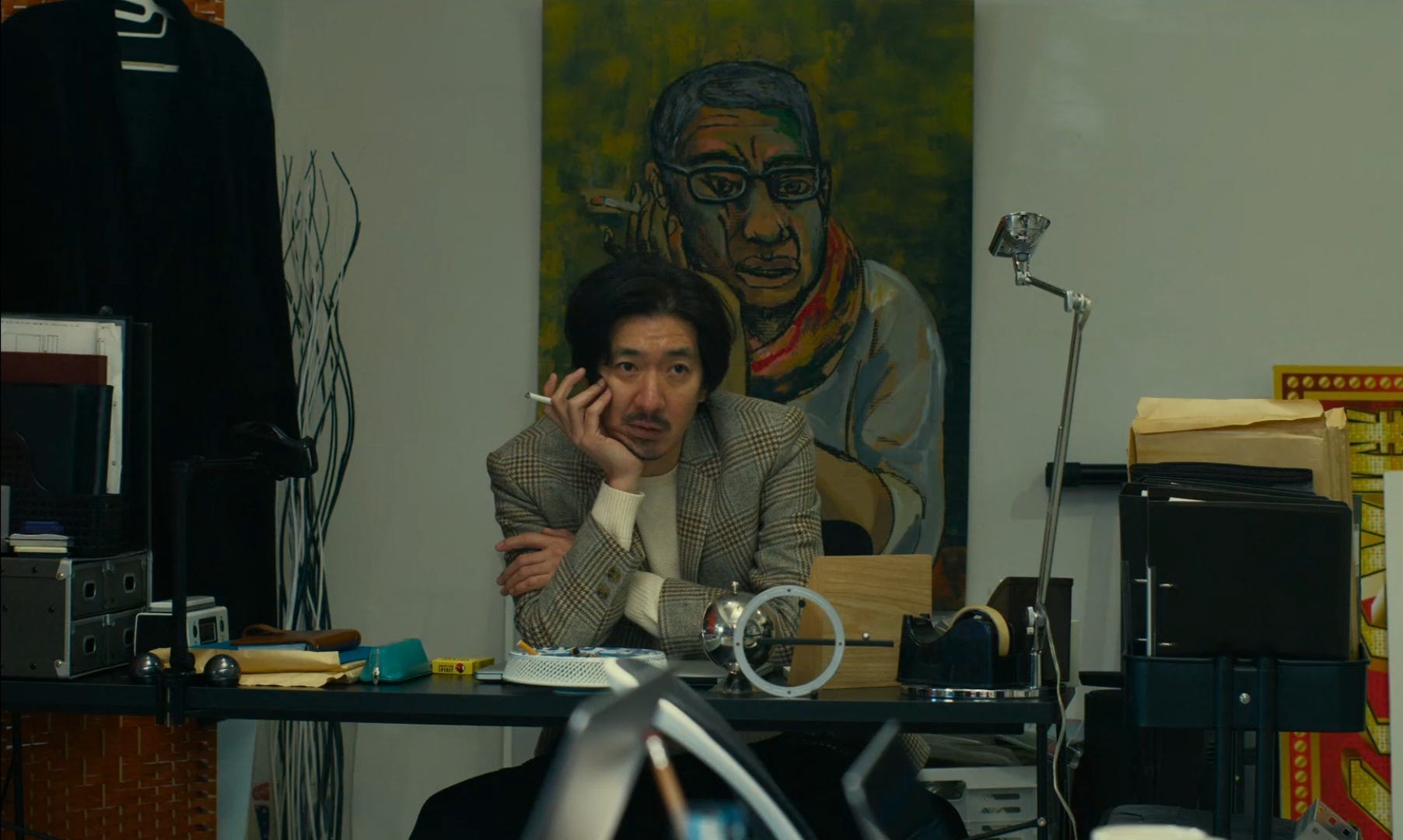
The corporate zoom meeting in Tokyo is also fascinating, as we see the matter-of-fact way that their boss approaches the feedback from this town meeting as being an impasse, and that there is really no way to change the locals’ minds. The aim is to not touch the budget as they have already received subsidies for building the glamping site, and which has already trickled down to Takahashi and Mayuzumi’s salaries. The boss believes that there is no going back, and that they should work around the residents’ issues, not to find a solution but to show that they tried; this includes potentially hiring Takumi as the caretaker of the site as he knows the ins and outs of the forest. The first time we settle with Takahashi and Mayuzumi is on their trip back to the town to woo Takumi; it is a long scene where the camera is in the back of the car as they have a sincere discussion about their personal lives and dissatisfaction with their jobs. Takahashi comes to the conclusion that he wouldn’t mind trading places with Takumi and enjoying what he perceives to be rural bliss. For a moment, it seems like the story is going to be about these two out-of-towners falling for the way of the woods and abandoning their city life. One of my favorite examples of the disconnect between these people is an exchange that happens at the local udon diner - when their plates are taken, Takahashi remarks that the food really warmed him up, but the waiter is not impressed as his comment has nothing to do with the taste of the dish.

Hamaguchi, in the last act, does something so bizarre and narratively confounding, revolutionary even. For a film that has very little plot and dialogue, the way Hamaguchi arrives at his unforgettable conclusion is immense, and I haven’t stopped thinking about it all week and my second viewing has only left me more perplexed. There is a sense of palpable dread from the film’s opening minutes, especially with Ishibashi’s foreboding music, but it isn’t clear where the danger is coming from so the audience settles into the film’s scenic background without question. The title itself is mystifying after the film’s ending, which I am refraining from giving details on as one should only experience it firsthand and debate it with friends. The danger is clear in Hamaguchi’s fable; the corporate reps are invasive and present real danger to the townsfolk as do the townsfolk to the balance of nature itself to a lesser extent. In an earlier scene, when Takumi informs the reps that the glamping site will be in the way of deer’s path, Takahashi suggests that they will just go elsewhere, and Takumi asks “where would they go?” — Hamaguchi is not just talking about deer here, as the scope can extend to whatever the audience brings to it. The brutal ending falls perfectly in line with this sentiment, it is all about respecting the balance, echoing the famous phrase from The Substance.